
Explore Cities Without Spending a Cent
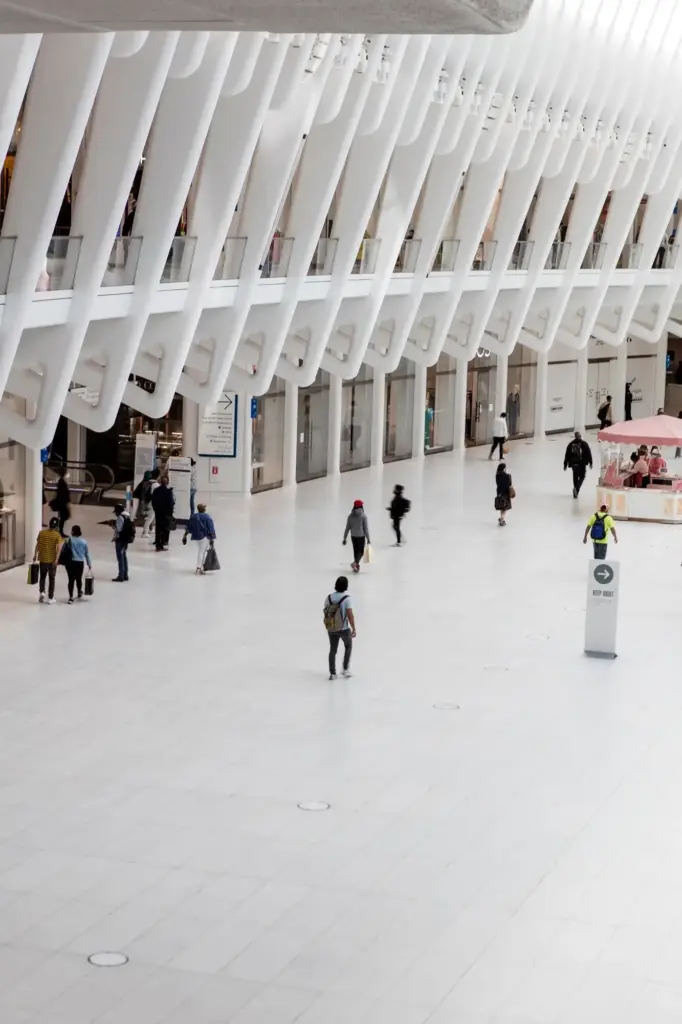
Today we dive into Free-First City Itineraries—practical, joyfully curious routes that prioritize no-cost experiences before any paid add-ons. You’ll learn how to stitch parks, viewpoints, markets, public art, and community events into days that feel rich, generous, and spontaneous. Share your favorite free finds, send questions, and join our travelers comparing notes so we can crowdsource smarter routes together and keep the adventure welcoming, creative, and refreshingly affordable wherever you land next.

How Free-First Planning Works
Start by mapping the city’s zero-cost highlights and threading them into short, walkable clusters that minimize transit and maximize discovery. This approach keeps energy high, reduces decision fatigue, and protects your budget for intentional splurges. With flexible loops and optional branches, you can adapt to weather, crowds, and mood while still collecting standout memories without opening your wallet. Think of it as designing a generous canvas that remains open to surprises, detours, and conversations with locals who add color you couldn’t predict.
Choose a few reliable anchors: a panoramic lookout, a beloved central park, a vibrant neighborhood market, and any museums with free hours. Anchors keep you oriented, offer natural rest points, and create storytelling pivots that connect neighborhoods without repetitive backtracking or unnecessary transit costs. When energy dips, returning to an anchor restores momentum, letting you decide confidently whether to extend the loop, pause for a snack, or pivot toward a sunset spot recommended by someone you just met.
Cluster sights by proximity and vibe, not just fame. Favor compact walking loops that pass transit hubs, drinking fountains, and shade. Download offline maps, mark restrooms, and note stair-heavy streets. Fewer transfers mean more serendipitous encounters, better conversations, and less time puzzling over tickets or timetables. Embrace side streets with cafés, corner groceries, and murals; these connectors become living museums where routine daily scenes reveal context, character, and gentle humor you might miss on main boulevards.
Dawn Rituals
Sunrise rewards walkers with empty boulevards, cool air, and friendly vendors arranging produce. Capture city silhouettes from bridges and hills before crowds gather. Early exploration also stretches your schedule, letting you rest during the hottest hours without sacrificing highlights or rushing through experiences that deserve lingering attention. Those first steps shape intention, grounding your day in gratitude, curiosity, and calm as the city gradually wakes around you with clinking cups and soft conversation.
Midday Discoveries
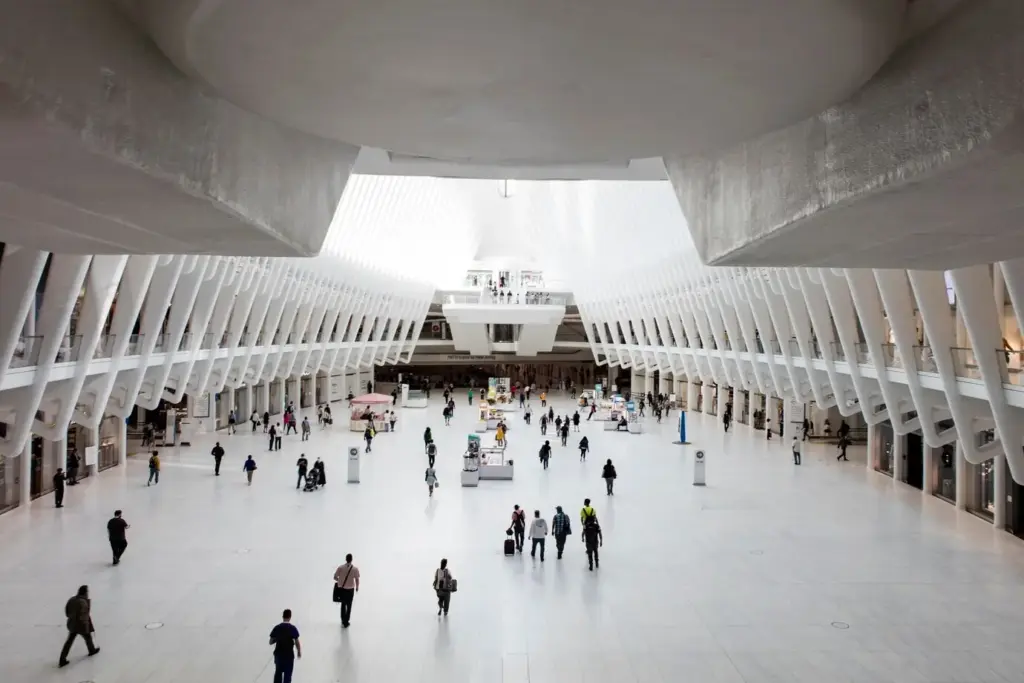
Seek indoor reprieves that still feel spirited: community galleries with free entry, university museums, heritage centers, or architecturally striking malls with rooftop viewpoints. Pair a market picnic with a library break. Recharge devices, refill bottles, and study transit maps so the afternoon unfurls calmly and confidently toward fresh corners. Pauses like these prevent overplanning fatigue, leaving room for spontaneous detours, street musicians, or neighborhood parades you notice while everyone else hurries past opportunities hiding in plain sight.
Museum Moments Without Tickets
Scan official sites for free hours, community days, and suggested-donation policies. Arrive early, pack patience, and choose just a few exhibits to absorb fully. Many institutions host talks, workshops, or family corners that offer depth, conversation, and rest without requiring a paid pass or guided tour. Capture a single detail—a brushstroke, artifact label, or skyline view from the stairwell—and let that detail anchor reflection during your next quiet park bench pause.
Public Art as a Compass
Use murals and sculptures to guide your walk between districts. Local arts councils publish maps, while community hashtags spotlight fresh pieces and studios with open doors. Conversation with artists or neighbors often leads to unexpected recommendations for viewpoints, snack stands, and hidden courtyards that become trip-defining discoveries. Let color palettes, motifs, and signatures become breadcrumbs, teaching you the neighborhood’s vocabulary as you stroll without pressure to buy anything beyond time and attention.
Parks, Waterfronts, and Urban Nature
{{SECTION_SUBTITLE}}
Green Corridors That Carry You
Follow converted rail trails, canal banks, and hillside stairways that link neighborhoods quietly and efficiently. Wayfinding signs often point to viewpoints, playgrounds, or public bathrooms. Benches become journaling desks, while water fountains reset energy. You’ll move far, spend little, and feel deeply connected to daily local rhythms. These routes also reveal small businesses and community boards where you can spot free events, lending your wander additional purpose and gentle direction.
Waterfront Wisdom
Harbors, lakes, and rivers reveal a city’s working pulse. Walk boardwalks, ferry piers, and levee tops, noticing fishing spots, bird islands, and skyline angles. When schedules align, community regattas, beach cleanups, or outdoor classes appear, offering camaraderie and spectacle without tickets, reservations, or expectations beyond simple shared care. Stay a little longer to watch tides of people, boats, and light, and let that choreography reset your pace to something kind and sustainable.
Street Food and Market Moments
City flavors can stay affordable when you know where to look. Markets sell seasonal produce, bakeries clear late-day items, and street vendors share generous portions at fair prices. Ask locals about beloved stalls, then picnic in parks while musicians rehearse nearby and conversations drift by like postcards. Keep reusable utensils handy, and treat these meals as cultural study sessions where aromas, jokes, and gestures offer rich context at a fraction of restaurant costs.
Streetwise Safety
Trust your instincts, favor well-lit routes, and step into shops if anything feels off. Keep valuables zipped and distributed across pockets, and avoid checking your phone in doorways. Share live locations with a friend and choose gathering spots near transit for smooth, unhurried exits after evening events. Confidence communicates clearly, discouraging hassles while inviting the right kind of help from attentive neighbors and staff who want visitors to feel welcome.
Care for People and Places
Free fun thrives when visitors act like neighbors. Tone down music, observe posted signs, and leave benches tidy. Support community by volunteering at cleanups or tipping buskers when you can. Gratitude, modesty, and patience invite conversations that blossom into helpful directions and heartfelt local insights. This considerate presence preserves access to cherished spaces, ensuring tomorrow’s wanderers inherit parks, promenades, and plazas that feel safe, inclusive, and ready for unhurried joy.
Weather-Ready Flexibility
Plan B keeps spirits high. Rainy mornings become museum or library hours; intense sun invites river walks and shaded arcades. Keep micro-goals, not rigid checklists, and shuffle segments as conditions change. That nimbleness preserves energy, reduces stress, and turns surprises into highlights rather than complications worth fretting over. Flexible pathways also increase chances of meeting locals, since you’ll be available when someone says, “There’s music in the square—come listen.”