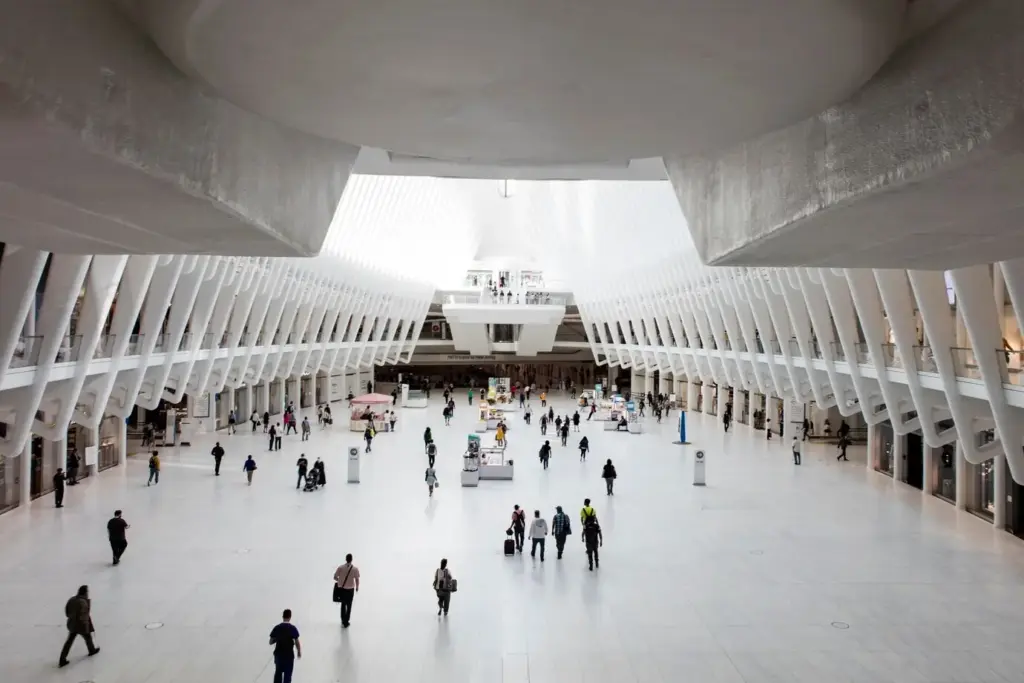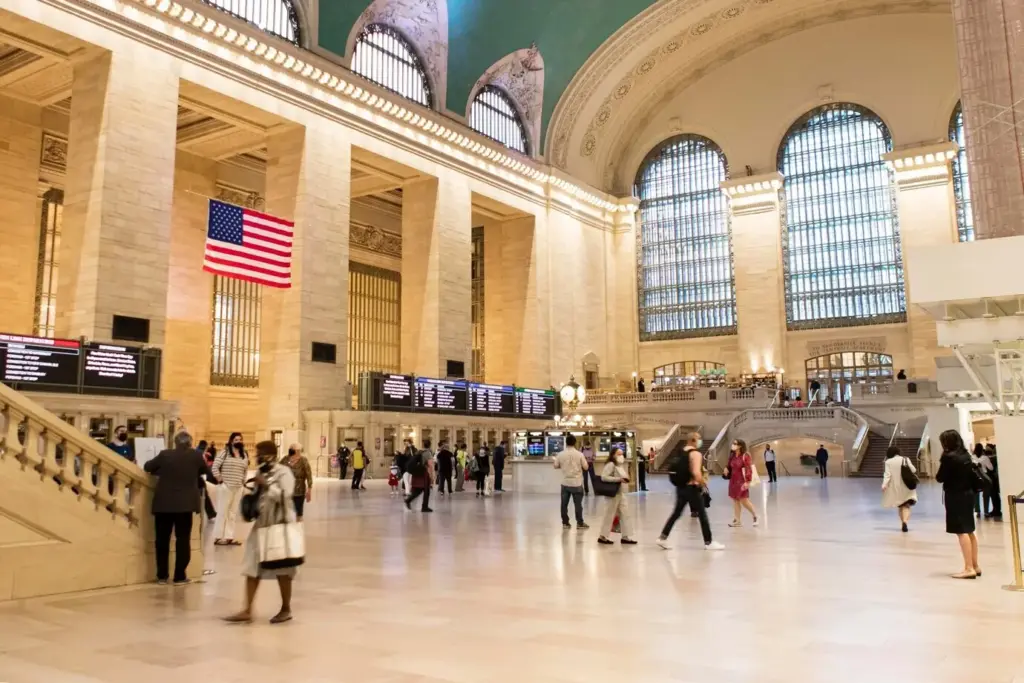
Your Smart Guide to Free-Day Museum Adventures

Today we focus on maximizing museum free days with a city-by-city planning guide that helps you discover reliable calendars, dodge lines, craft smart routes, and turn limited hours into unforgettable art encounters, community connections, and learning moments, while saving money, energy, and time.

City Calendars, Decoded

Gather sources: official museum pages, tourist boards, cultural departments, university partnerships, and local blogs. Build a simple spreadsheet tracking dates, hours, reservation links, and notes about capacity. After two months, patterns emerge, revealing clusters worth chaining and off-weeks perfect for slower deep dives.

Alerts That Actually Work

Rely on layered reminders: calendar subscriptions, email filters forwarding confirmations, and push alerts twenty-four hours before release windows. Many institutions open batches at specific minutes; set a timer five minutes early, refresh calmly, and capture tickets without panic, noise, or frustrating last-second typos.

Reading the Fine Print

Don’t miss restrictions hidden behind cheerful headlines: photo policies, bag sizes, stroller routes, and galleries temporarily closed. Free entry sometimes excludes blockbuster exhibitions or requires resident identification. Capture screenshots of rules, and keep a lightweight plan B in case construction or weather shifts access.

Doors-Open Sprint Strategy

Arrive before security opens, breathe, and confirm your first gallery list. Many visitors pause at cafés; you move directly to high-interest rooms, collecting photographs of labels to review later. After ninety minutes, step outside, hydrate, and let your brain file impressions before museum two.

Midday Escape and Nearby Refuges

Plan a quiet midpoint outside the museum system: gardens, libraries, river walks, or community centers. Free days can overwhelm; soft surfaces, shade, and water rebuild attention. Share a quick reflection prompt with companions, then adjust the afternoon route based on energy, curiosity, weather, and crowds.

Closing-Time Quiet

The final hour often hushes. Prioritize one small wing, ignore gift shops, and settle into a single bench, tracing details you missed earlier. Dimmer rooms feel intimate, and security teams gently usher, creating a reflective cadence ideal for ending shared cultural adventures together.

Reservations, Lines, and Smooth Access
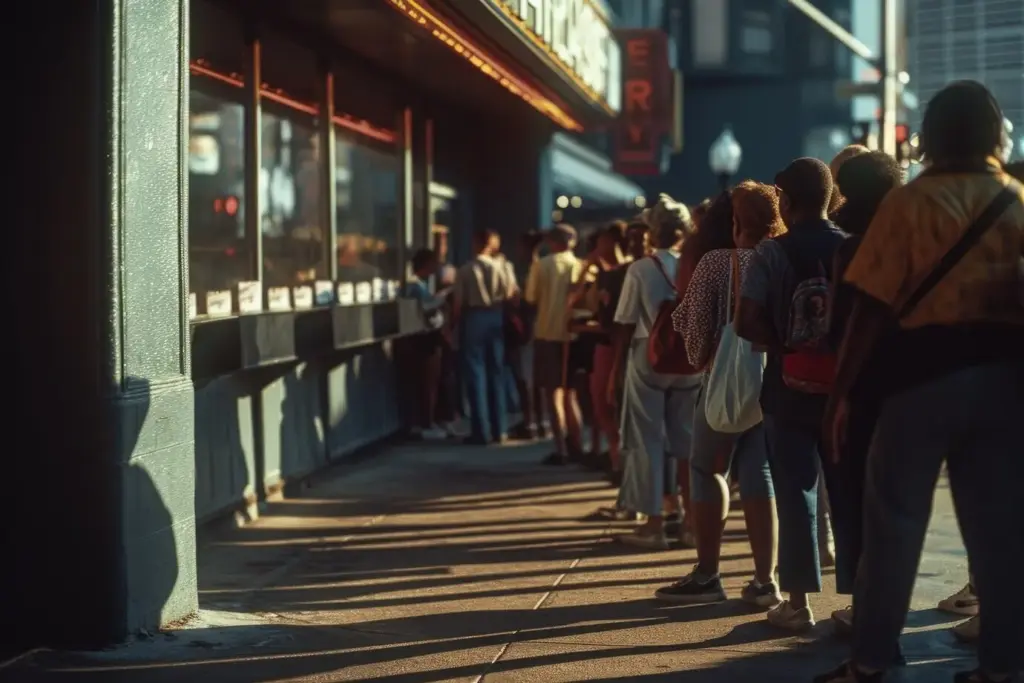
Even when admission costs nothing, access still requires precision. Timed tickets, barcode scanning, lockers, and capacity constraints shape the day. Prepare documents in one pocket, coordinate group chats, and give everyone a meeting tree outside so late arrivals can rejoin without stress or blame.

Metro and Bus Tricks

Load cards the night before, verify weekend construction, and screenshot offline maps. Some cities cap daily fares; plan hops accordingly. When lines snake around the block, a single bus stop change can save twenty minutes and morale, keeping your group aligned and cheerful between venues.

Bike, Walk, and Beautiful Links

String museums along shaded streets, waterfront promenades, or protected bike lanes. Lock thoughtfully, obey signs, and carry small lights at dusk. Moving slowly between institutions invites spontaneous discoveries—public art, street music, pocket cafés—that round out the day with texture, humor, and generous serendipity.

Food, Water, and Micro-Budget Comforts

Check outside food policies; some museums welcome snacks in designated areas. Refillable bottles beat overpriced drinks, and small fruit keeps energy steady. Identify free restrooms along your route, and bookmark a cozy public library branch for climate-controlled breaks, journaling, or quiet chats between collections.

Families and Learning: Make the Day Stick

Children and teens flourish with structured freedom. Begin with hands-on stops, layer short storytelling prompts, and celebrate curiosity rather than coverage. Let young visitors choose a gallery, photograph surprises, and teach back one detail at dinner. Shared agency converts free admission into treasured, enduring learning memories.

Kid-Friendly Routes and Pacing

Alternate energetic areas with calmer rooms, keeping blocks no longer than forty minutes. Provide sketch cards and pencils to slow observation. Invite children to pick a mascot object for the day, then spot echoes across museums, building narrative threads they will happily retell later.

Quiet Corners, Big Feelings

Free days can be stimulating. Pre-select retreat corners with benches, soft light, and minimal foot traffic. Teach a simple breathing count, then resume exploring when calm returns. Model respectful exits from crowded rooms, proving to young visitors that care and curiosity can collaborate beautifully.

Hands-On Sparks and Memory Anchors

Seek activity carts, maker spaces, and docent chats. Afterward, create a tiny ritual: one sentence, one sketch, and one question for later research. These anchors transform fleeting impressions into shared stories, encouraging follow-up reading, return visits, and confident participation in community arts life.

City Spotlights: Sample Free-Day Routes

Every city rewards a different rhythm. Use the sketches below as flexible templates rather than rigid checklists, always confirming current policies and hours. When in doubt, prioritize shorter lines, nearby parks, and uplifting cafés, then adapt as weather, energy, and curiosity evolve in real time.

01

New York: Parkside Galleries and Night Lights

Begin near a large park to buffer crowds, then thread through institutions clustered along a single avenue. Many New York museums offer occasional free evenings or resident-friendly policies; verify details before traveling. End with a skyline stroll, discussing favorite works and planning your next neighborhood exploration.

02

London: Masterpieces Without a Ticket

Anchor the day at national collections offering free access to permanent galleries, then weave across the Thames for a riverside reset. Save energy for late-afternoon quiet. Special exhibitions might require separate tickets; meanwhile, the core displays deliver astonishing depth, context, and generous spaces for reflection.

03

Chicago: Lakefront Layers and Local Perks

Start early along the lakefront, pairing museums with scenic walks and breezy pauses. Many institutions schedule Illinois resident days; confirm specifics and bring identification. If capacity tightens, pivot to neighborhood art centers, where staff share heartfelt insights, and community shows welcome curious visitors warmly.

Share, Support, and Sustain Access

Free days thrive when communities participate. If you saved money, consider a small donation, a heartfelt note, or a respectful review highlighting accessibility, staff care, or standout labels. Volunteer, join friends-of groups, and share itineraries so newcomers feel welcomed, informed, and ready to explore joyfully.
Rofaputevifixuroku
Privacy Overview

This website uses cookies so that we can provide you with the best user experience possible. Cookie information is stored in your browser and performs functions such as recognising you when you return to our website and helping our team to understand which sections of the website you find most interesting and useful.