
Your Seasonal Guide to Free Festivals and Neighborhood Happenings


Blossom parades and street music

Riverside food fairs and farmers' pop-ups
Summer Nights Under City Lights
Autumn Harvest and Heritage
Harvest fairs and zero-waste tastings
Sample pies judged by grandmothers, swap recipes scribbled on napkins, and learn compost tricks that keep peels out of landfills. Many booths accept reusable containers. Carry a small jar for sauces, and snap photos of stall signs to remember favorite producers later.
Heritage walks and story corners
Volunteer docents often guide free routes past murals, memorials, and family-run shops, pausing for personal memories that never make museum walls. Bring a notebook. When elders share names, dates, and tiny details, those threads weave belonging, pride, and careful stewardship for future walkers.
Art nights, zines, and school gym galleries
First Fridays morph corridors into galleries, where students tape watercolors beside avant-garde collages, and zine makers trade luminous staples. Ask permission before photographing minors, support donation jars when possible, and jot contact handles to follow pop-up collectives across the colder months ahead.
Winter Warmth Without a Ticket
Holiday markets and handmade treasure hunts
Lantern walks and light festivals
Community centers, warm gyms, and open mics
Smart Planning for Free Fun
Transit timing, routes, and backups
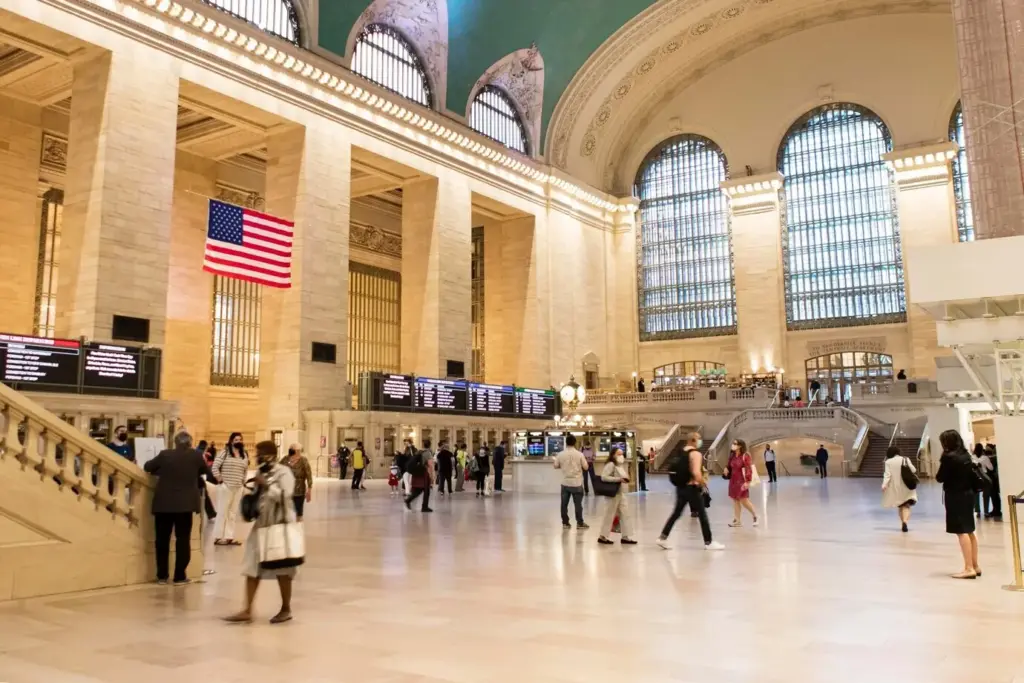
Screenshots of schedules save battery and calm. Note last trains, bus frequency, and safe walking connectors between venues. If rain starts, pivot to covered plazas or libraries. A small umbrella, reflective bands, and portable charger turn hiccups into minor footnotes, never trip-enders.
What to pack and what to leave
Bring a reusable bottle, snack pouch, hand sanitizer, and a tiny first-aid kit. Leave bulky chairs if venues promise seating. Keep hands free for clapping and high-fives. A bandana serves as napkin, camera cloth, and picnic tag reserving your blanket corner cheerfully.
Access, safety, and inclusive choices
Scout curb cuts, elevator availability, and accessible restrooms before arrival. Ask organizers about quiet zones and sensory supports. Share routes with friends, carry emergency contacts, and set check-in times. Inclusion thrives when planning respects different bodies, energies, and comfort levels without fanfare or fuss.

Volunteer roles that matter immediately